The game development ecosystem is scaling at an unprecedented rate. Modern studio teams are engineering massive interconnected virtual worlds operating across highly complex asset pipelines and shifting toward heavily distributed remote workforces. Despite these advanced structural transitions a significant portion of global game studios continue to anchor their production infrastructure to fixed desk bound hardware workstations situated directly under local office tables.
This decentralized architecture creates severe operational inefficiencies. Million dollar corporate graphics assets sit completely idle during overnight hours while remote engineers across separate time zones suffer from severe processing bottlenecks. Resolving this friction mandates migrating away from desktop sprawl toward centralized server architectures. However deploying virtual workstations requires stripping away vendor marketing illusions and confronting brutal engineering realities regarding memory mathematics licensing taxes and compute noise parameters.
The 48 User VRAM Marketing Illusion
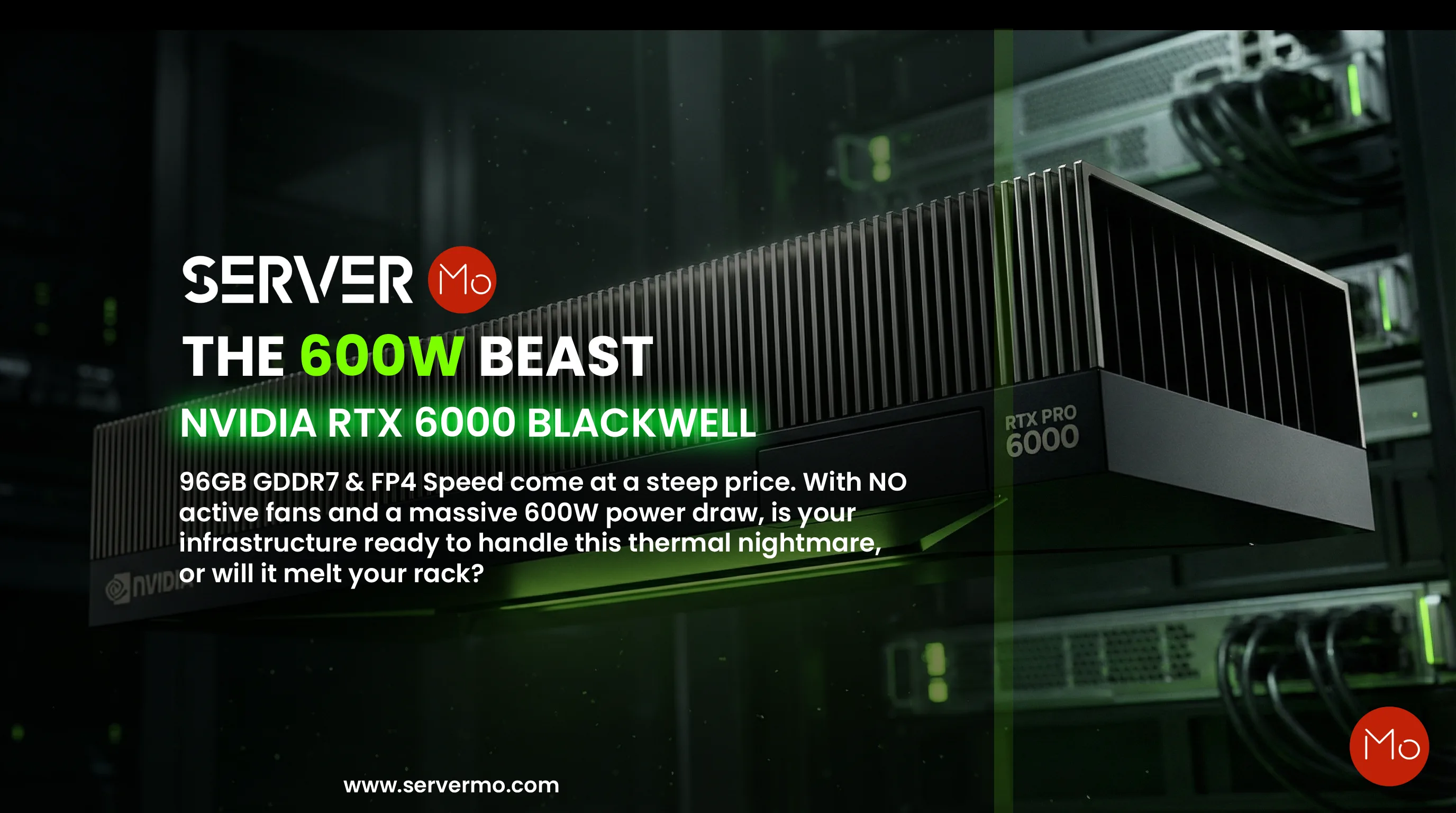
Hardware vendors frequently market the ninety six gigabyte NVIDIA RTX PRO 6000 Blackwell Server Edition as capable of supporting up to forty eight concurrent virtual developers. For professional three dimensional game development this calculation is an absolute technical fallacy.
Dividing ninety six gigabytes across forty eight users leaves precisely two gigabytes of video memory per session. Modern development platforms like Unreal Engine require an absolute minimum of twelve to sixteen gigabytes merely to launch a blank project without triggering fatal out of memory software exceptions. Realistically a single Blackwell rendering server optimally supports a maximum of six to eight elite artists engineering massive high fidelity geometric scenes.
The Broadcom License Tax and Open Source Salvation
To centralize studio hardware resources safely many traditional systems architects advocate for deploying proprietary virtualization stacks. While migrating away from public clouds successfully eliminates catastrophic data egress network charges implementing corporate hypervisors introduces an equally hazardous financial trap which is the massive Broadcom software subscription tax. Proprietary virtual desktop infrastructures demand aggressive annual renewal fees per activated user profile completely destroying your infrastructure return on investment projections.
Modern enterprise Site Reliability Engineers avoid this corporate tax trap by anchoring their graphics clusters entirely on open source hypervisor architectures. Deploying your server using Proxmox VE (KVM) or integrating bare metal clusters with Red Hat OpenShift (KubeVirt) delivers raw uninhibited access to physical graphics compute paths. This open source framework unlocks advanced graphics execution capabilities and coordinates user profiles flawlessly without forcing your business into expensive multi year software licensing dependencies.
The Unreal Engine Viewport Streaming Paradox
Another devastating error occurs when infrastructure engineers deploy consumer grade open source streaming software to transmit isolated user sessions over remote connections. Inside enterprise level virtualization layouts consumer applications encounter critical virtual monitor errors. Because consumer tools are built entirely around physical display outputs and standard desktop driver architectures they fail to map virtual layouts properly causing immediate display initialization exceptions and crashing the viewport editor environment instantly.
Elite architectures completely avoid consumer utilities mandating the use of certified enterprise display protocols like HP Anyware (Teradici PCoIP) or Citrix HDX. These professional systems are engineered specifically to communicate with enterprise grid drivers handling complex display allocations flawlessly. This infrastructure guarantees that remote digital artists experience absolute visual accuracy exact peripheral input response and perfect mouse precision directly within their virtual edit pipelines.
The Unified Persistent Virtual Desktop Strategy
Enterprise systems engineers preserve absolute host platform security by maintaining a persistent unified virtual machine configuration continuously. Rather than attempting volatile runtime graphics resets or dangerous driver unloads to alter processing modes the cluster enforces strict virtual graphics processing unit profiles perpetually. Remote creators interact within standard frame pacing boundaries during daytime routines while automated continuous integration systems execute lighting compilation cycles and automated testing scripts directly inside the identical virtual machine layer overnight.
Defeating the Noisy Neighbor Shader Compilation Crisis
The most destructive obstacle within shared graphics infrastructure is compute noise management. Game rendering loops rely heavily on massive system memory speeds and multi thread processor operations. When an individual software developer triggers a massive asset migration or initiates a ten thousand item shader compilation sequence that specific action can instantly consume the entire host central processing cache.
Without rigorous orchestration isolation this massive compute spike starves every adjacent slice on the physical hardware. Nearby designers experience immediate viewport decay dropping from fluid performance straight down to a lagging five frames per second interface. To prevent this severe disruption you must enforce strict NUMA node pinning and hard core isolation protocols within the hypervisor layer locking each development profile to dedicated unshared processor silicon boundaries. Attempting this pinning routine on low core budget processors causes massive central processing unit starvation because the server lacks the physical thread density required to separate concurrent multi user workloads cleanly.
The Physical Distance Trap and Viewport Latency Reality
Many infrastructure engineers fall into the technical trap of evaluating server virtualization setups purely based on network bandwidth capacity. Proclaimers brag about provisioning massive pipelines to transmit data allocations across global distances. In the engineering reality of real time interactive streaming this represents a critical misconception.
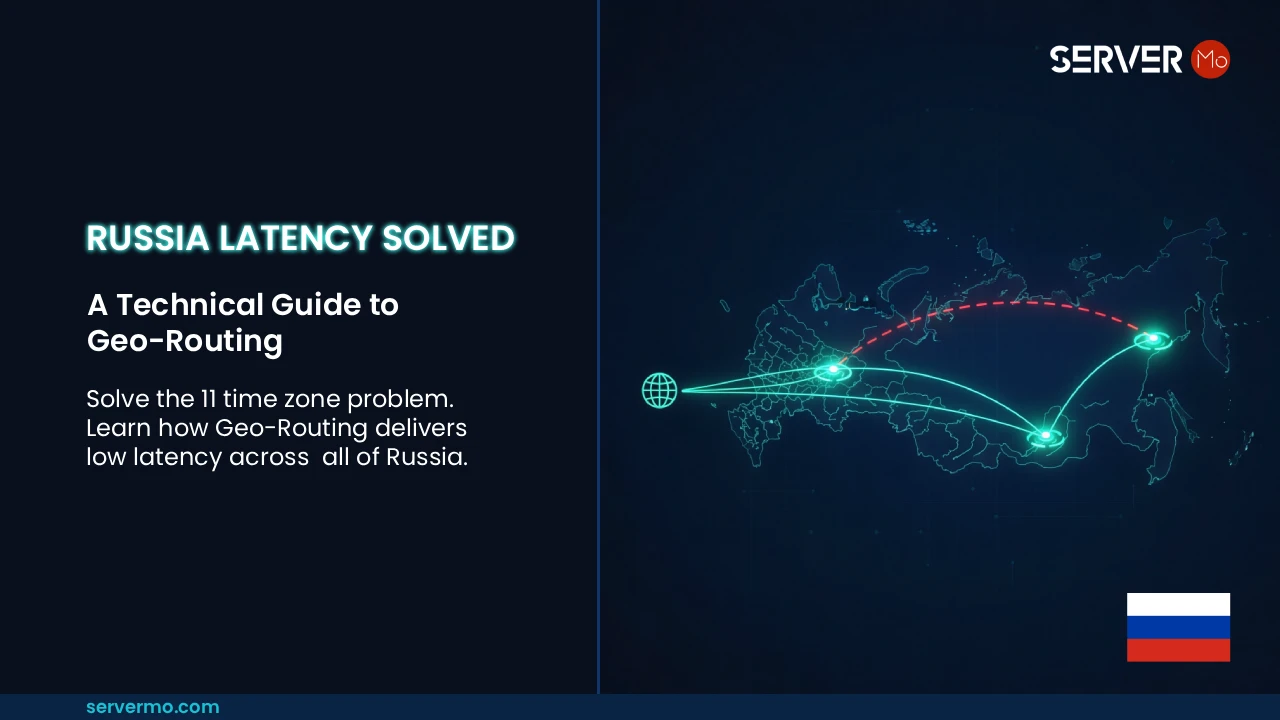
High capacity network channels merely dictate data volume limits. Delivering responsive low latency viewports depends entirely on physical distance and network jitter control. If a software modeler situated in the United States attempts to interact with an active development workspace hosted inside an overseas datacenter they will face a devastating hundred millisecond round trip latency anomaly. This physical delay generates immense input lag completely rendering precise three dimensional positioning tasks unviable regardless of network port speeds. Studio deployments must physically match hardware hosting hubs to the immediate regional location of their remote workforce footprints.
Bespoke Enterprise ServerMO Bare Metal Infrastructure
ServerMO completely eliminates rigid template limitations and regional latency barriers by offering a fully custom scalable bare metal provisioning pipeline. We understand that your multi user graphics factory demands massive core density and localized positioning to guarantee smooth viewport performance.
The Strategic Customization Workflow: Physical computing layers require structured procurement hardware positioning and remote hands data center engineering execution. Expanding or altering processor configurations requires strategic capacity planning and supply chain coordination rather than instantaneous software API calls. Our expert distributed systems engineering team works hand in hand with your studio architecture staff to analyze your specific workforce distribution compilation load and concurrent user maps to build your hardware layout from the ground up inside your preferred target datacenter region.
Stop settling for underpowered hardware templates and sinking your corporate resources into rigid shared cloud architectures that freeze your development pipelines. Take total control over your graphics performance memory layouts and data sovereignty rules.
Studio Infrastructure FAQ
Dividing ninety six gigabytes across forty eight users leaves precisely two gigabytes of video memory per session. Modern game engines require an absolute minimum of twelve to sixteen gigabytes merely to launch a blank project without triggering fatal out of memory exceptions. A single Blackwell card realistically supports a maximum of six to eight elite developers.
Proprietary virtualization stacks impose severe annual licensing inflation and corporate subscription taxes per user session. Deploying open source platforms like Proxmox VE KVM or Red Hat OpenShift KubeVirt delivers identical raw performance and robust hardware access while completely eliminating expensive corporate licensing overhead.
Bandwidth merely dictates data volume capacity while interactive viewport streaming relies entirely on network round trip latency and physical distance. Connecting to an overseas data center introduces physical ping delays and jitter that cause severe input latency during three dimensional modeling. You must deploy servers in a region immediately adjacent to your remote design workforce.
Budget processors lacking high core density will suffer massive compute starvation when multiple developers execute parallel shader compilation pipelines simultaneously. Without adequate physical cores you cannot implement strict NUMA node pinning causing a single heavy task to freeze the active viewports of every adjacent developer on the server.
Yes. ServerMO operates a fully adaptable enterprise bare metal deployment pipeline. Instead of forcing rigid template configurations our distributed systems engineers consult directly with your architecture team to construct custom servers embedding elite high core density processors matching your exact studio production requirements.
Consumer level streaming platforms rely entirely on physical display engines and desktop drivers. Enterprise virtual graphics workstation environments operate on specialized grid drivers where improper monitor allocation causes immediate display initialization crashes. Professional virtualization infrastructures mandate utilizing industry standard protocols like HP Anyware PCoIP.
Yes. To unlock real time graphics acceleration and display interfaces within a virtual layer you must acquire official virtual workstation licensing per activated session. Bare metal hardware provides unshared lanes but software execution depends entirely on proper enterprise licensing allocation.
 Your Voice Matters: Share Your Thoughts Below!
 Recent Topics for you